The short version
- Stability beats any particular number: a cupboard that stays roughly the same all year is kinder to a collection than a room that is perfect in spring and extreme in August.
- The storage materials themselves cause a surprising share of the damage — soft plastic sleeves, ordinary cardboard, tape and rubber bands all attack what they are supposed to protect.
- Fading is the one form of damage that is completely preventable and completely irreversible, and printed box art on a display shelf is where most collectors lose it.
Damage from storage is different from damage from use. Use leaves marks you can point at and date. Storage damage arrives gradually, affects an entire shelf at once rather than one item, and is almost always noticed too late to do anything about.
There are really only four agents at work, and they attack different materials in different ways. Going through them one at a time is more useful than a list of tips, because once you know the mechanism you can work out the right answer for your own house rather than following someone else's.
Humidity, and why stability beats any target number
Paper and cardboard are hygroscopic: they take moisture out of the air and give it back, swelling and shrinking as they do. That cycle is the mechanism behind most of what goes wrong. A comic that has been through enough of it develops a wave along the edge. A cardboard figure box loses its crisp corners and starts to bow. Card stock stops lying flat.

Sustained high humidity brings the worse problems. Mould needs damp to establish, and once it has been in paper the staining does not come out. Foxing — those small rust-coloured freckles on older paper — is associated with the same conditions. Metal is not exempt either: the staples in a comic will rust in a damp room, and the rust migrates into the paper around them.
Very dry is its own hazard, more slowly. Paper that has been kept arid becomes brittle, and brittle paper chips at the corners instead of bending.
You will find specific percentages quoted in conservation literature, but the practical version is simpler and more honest: aim for moderate and, above all, steady. A cupboard that sits at the same mild condition all year is kinder to a collection than a room that is ideal in spring and punishing in August. If a space is comfortable for a person twelve months a year, it is usually acceptable for paper. If it swings, it is not, however good it feels today.
Light, the damage that never comes back
Everything else on this page can be halted or sometimes reversed. Fading cannot. Once a pigment has gone, no storage change brings it back, which is why light deserves more attention than it usually gets.

Ultraviolet does the fastest work, so direct sunlight through a window is the worst case by a distance — and a window that only catches the sun for an hour a day still catches it every day for years. But ordinary visible light fades too, and strong artificial lighting aimed at a display shelf is doing the same thing more slowly.
Fading is not even, which is what makes it recognisable. Some inks are far more fugitive than others, and on printed packaging the warm colours commonly go first, leaving box art with a bluish, washed cast and a red logo that has drifted towards pink. The giveaway is the difference between the face of a box and its back: identical printing, one side facing the room, and a colour shift you can see the moment you turn it round.
The fix is unglamorous. Keep the display shelf out of any direct sun rather than merely away from the window. Turn boxed items occasionally if they are on show. Anything you are keeping specifically because its packaging is pristine should not be the thing on the sunny shelf, and that is a decision about which pieces you display rather than a decision about storage at all.
Heat, and what it does to plastic in particular
Heat accelerates every chemical process already described, so a hot room makes the humidity and light problems worse as a side effect. It also has effects of its own, and they land on plastics.

Vinyl and PVC figures soften long before they melt. A figure standing on a shelf above a radiator, in a car, or in a loft through a summer will lean, and the lean sets as it cools. Slim standing figures and anything with a narrow ankle or a thin tail are the first to go. Separately, the plasticisers that keep flexible plastic flexible migrate to the surface over years, which is why an old figure can develop a faintly tacky feel that no amount of wiping fixes; heat speeds that up considerably.
Adhesives are the other casualty. The glue holding a box flap or a window film loses grip in sustained heat, so boxes that were factory-sealed can open at a seam without anyone touching them, and a plastic window can lift away from the card behind it.
Your storage materials are part of the problem
This is the section that surprises people, because it is counter-intuitive: a meaningful share of collection damage is done by the things bought to prevent it.
- Soft plastic sleeves. Not all clear plastics are inert. Some soft, flexible plastics release plasticiser over time, and it attacks inks and paper in prolonged contact. The safe families for long-term storage are polyethylene, polypropylene and polyester. If a sleeve is unusually soft, slightly oily to the touch, or has a faint smell, it does not belong in long-term contact with anything you care about.
- Backing boards are consumable. A board's job includes absorbing acidity out of the newsprint it supports, and once it has done that for a decade it is a source rather than a sink. Replacing boards periodically is a real maintenance task, not an upsell.
- Ordinary cardboard boxes. Plain shipping cartons are usually acidic. Fine for moving house, poor for a decade in a cupboard. If a whole collection lives in one, at least keep the contents individually sleeved and boarded so nothing touches the carton directly.
- Newspaper as packing. Wrapping collectibles in newsprint transfers ink and acidity to whatever it touches. Plain paper is cheap and does not do this.
- Tape and rubber bands. Both fail in the same ugly way. Tape adhesive migrates and leaves a stain that outlives the tape; rubber perishes, goes sticky, and welds itself to whatever it was holding. Neither should ever be in direct contact with something worth keeping.
Pressure, gravity and shape memory
The last agent is simple mechanics, and it is the one where a five-minute change of habit pays best.
Comics and cards stored upright need to be packed snugly. A half-empty box lets everything lean, and a permanent curve sets into the spine of a book that has leaned for a year — the spine roll that costs a book a grade, described in the guide to comic grades. Overfilled is the opposite mistake: pulling a tightly wedged book out is how corners get blunted.
Stacking is the other one. Weight on a stack of boxed figures crushes the bottom box, and crushed corners on packaging are not repairable in any way that survives inspection. Anything boxed is better stored standing or in a single layer than piled.
Fabric has its own version of this. A structured cap stored under weight takes a dent in the crown that may never steam out, and a bag stored empty and folded creases along the fold permanently, while one stuffed lightly to hold its shape does not. That is the reason bags arrive from good sellers with paper inside them, and it is worth continuing once you own it — the same principle covered from the buyer's side in the cap buying guide.
A quick verdict on the usual places
- Attic or loft. The worst option in most houses: the widest temperature swing and the worst humidity extremes, directly above the warm part of the home.
- Garage. Nearly as bad, with the addition of exhaust residue, dust and, in many garages, damp coming up through the slab.
- Basement floor. Concrete wicks moisture continuously. If a basement is the only option, get boxes off the floor and away from exterior walls.
- Under a bed. Better than it sounds. Stable temperature, dark, and the main risk is dust and someone standing on it.
- An interior cupboard in a lived-in room. The best storage most people already own, for the simple reason that it stays close to the same all year and never sees the sun.
Why this matters when you are buying, not just storing
Everything above is also a reading guide for listing photographs. Wavy page edges, a bowed box, a colour cast that differs between the front and back of packaging, a tacky-looking figure surface, a dented crown — those are storage histories, and they tell you something about the rest of a collection an item came out of.
It cuts the other way too. A boxed figure with genuinely square corners and even colour across every panel has been kept somewhere sensible, and that is worth paying a little more for, because it is the part you cannot fix after the fact.
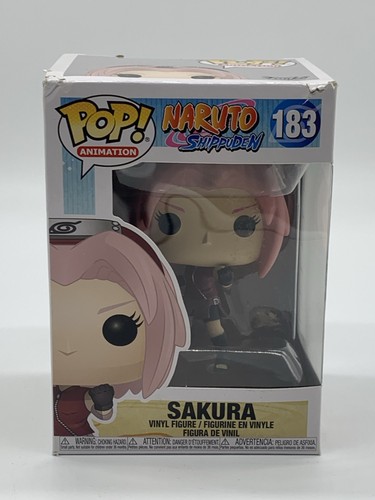
Our anime and animation shelf is mostly boxed vinyl and PVC figures, which makes it the corner of the showroom where box condition matters most, and the wider Funko collection is the deepest run of boxed pieces we carry. Listings describe the box as well as the figure, including where it is creased, dented or sun-faded, because on a boxed item those are not incidental details. Everything is pre-owned, and where a listing says a piece was displayed rather than stored, that is meant literally — it tells you which of the four agents above it has already met.